Why Visible Security Patrols Can Deter Opportunistic Crime Better Than Technology
Visible security can influence an opportunistic offender’s decision before a crime begins. The deterrent effect of visible security patrols comes from the prospect of being seen and challenged, while technology alone may record activity without an in-person response. At public-facing premises, a uniformed officer can make the risk feel immediate.
Technology still has a role, but it works best as part of a wider security approach. If you’re deciding how to protect a shop, site or shared space, this article explains how observe-and-report patrols can influence behaviour, where a visible presence may help, and why patrols work best alongside other measures. It also outlines what a practical, proportionate security approach involves.
Key Takeaways
- Visible patrols can prompt opportunistic offenders to move on by making the risk of being noticed feel immediate.
- Understand how observe-and-report patrols can identify concerns, communicate incidents and support a timely response.
- Consider how uniformed presence can complement technology, particularly around exposed areas such as car parks and commercial estates.
- Match the security approach to the environment, focusing attention on places where people, property or access points may be vulnerable.
How offenders respond to observe-and-report patrols
A visible uniform can signal that a site is monitored, prompting an opportunistic offender to reconsider. Someone testing a shop’s rear door, for example, may move on after noticing a nearby guard. The deterrent effect of visible security patrols comes from the prospect of being seen and challenged, rather than simply having activity recorded. Guards add human judgement by observing behaviour, reporting concerns and taking appropriate action.
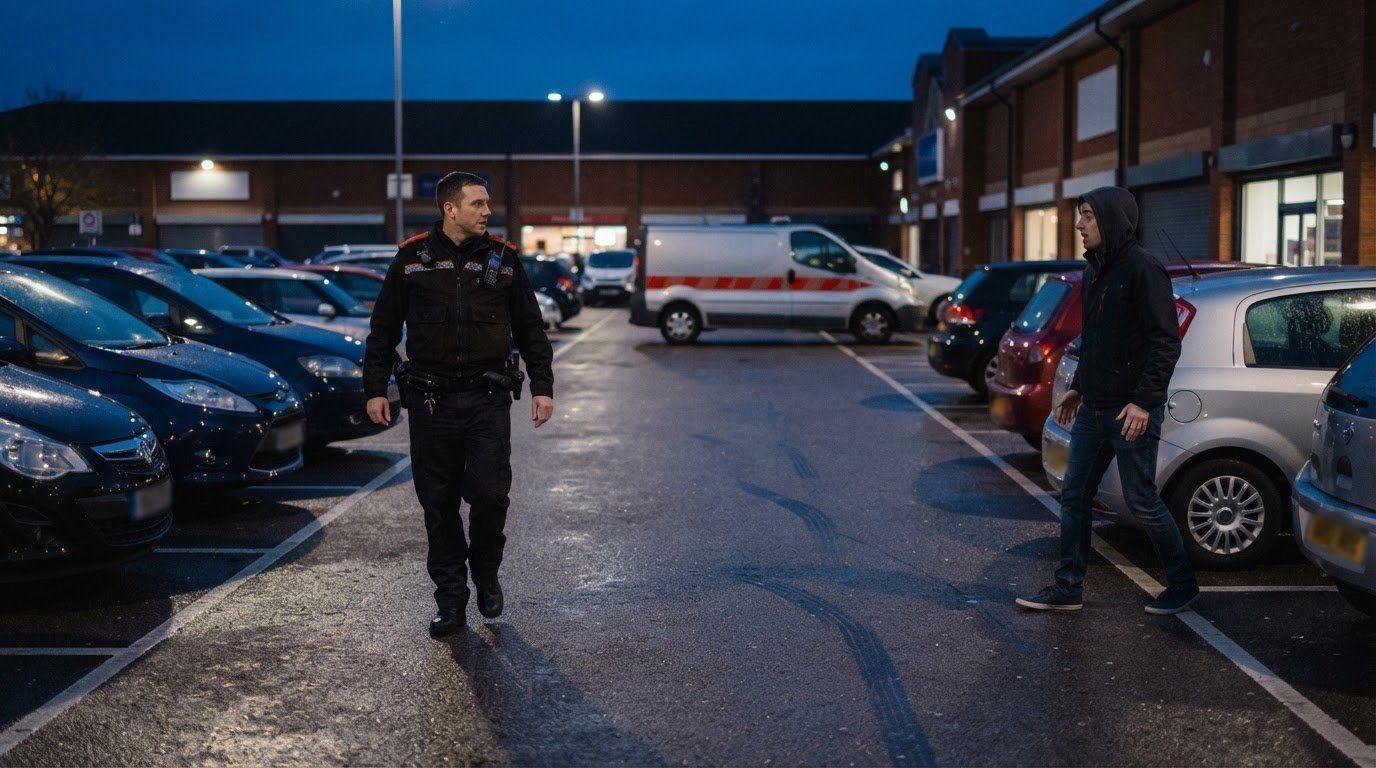
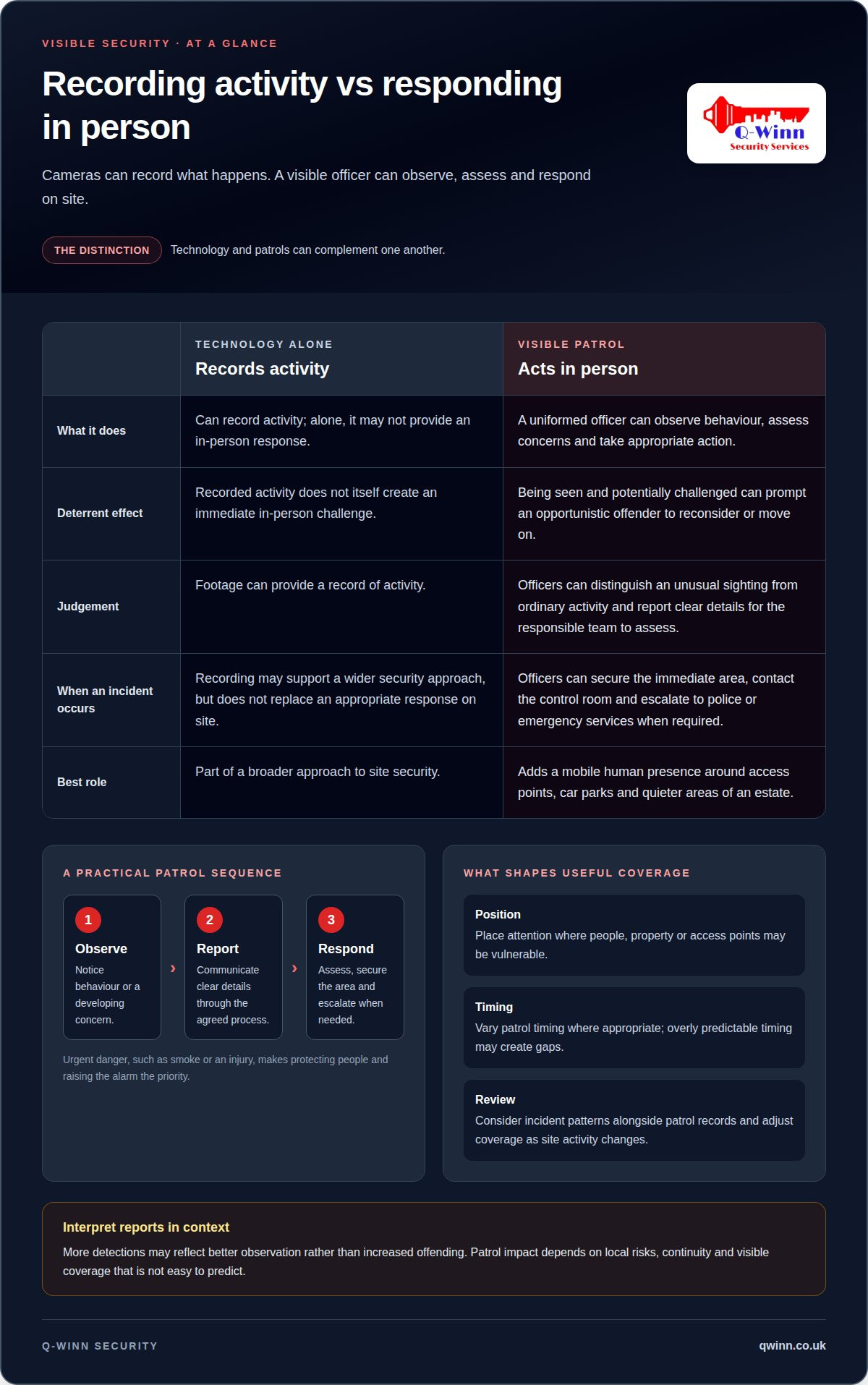
Patrols can also make it harder to rely on predictable gaps in observation. A mobile officer passing through a car park, for example, may notice someone checking vehicle handles and report it through the agreed communication process. This gives the responsible team information to assess, rather than treating an unusual sighting as proof of a crime. Clear details help distinguish a developing incident from ordinary activity.
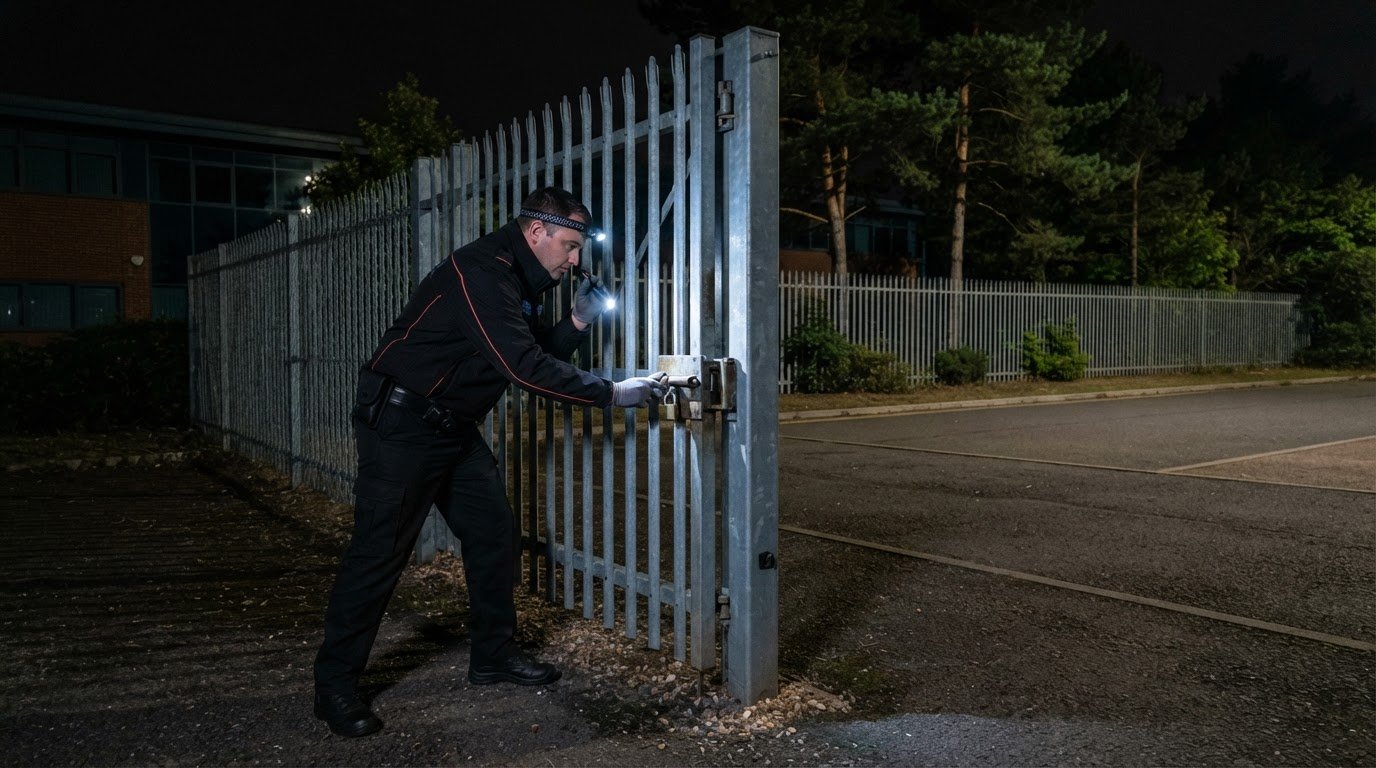
If officers discover an incident, they can assess it, secure the immediate area, contact the control room and escalate to the police or emergency services when required. Suspected forced entry, for instance, calls for reporting the access point and maintaining a safe perimeter, not recklessly confronting a potential intruder. A measured response helps others understand the situation and decide what action is appropriate.
The deterrent effect of visible security patrols also depends on how officers respond when people need urgent help. If a patrol discovers smoke, an injury or another immediate danger, protecting people and raising the alarm take priority over routine reporting. Officers can communicate with the police and emergency services, follow site procedures and help prevent the situation from escalating.
Why Does Uniformed Security Presence Deter Opportunistic Crime More Than Technology?
Cameras can record activity, while a visible officer can observe, assess and respond in person. In car parks and commercial estates, that presence may prompt an opportunistic offender to reconsider before acting.
Marked Vehicles and Randomised Patrols
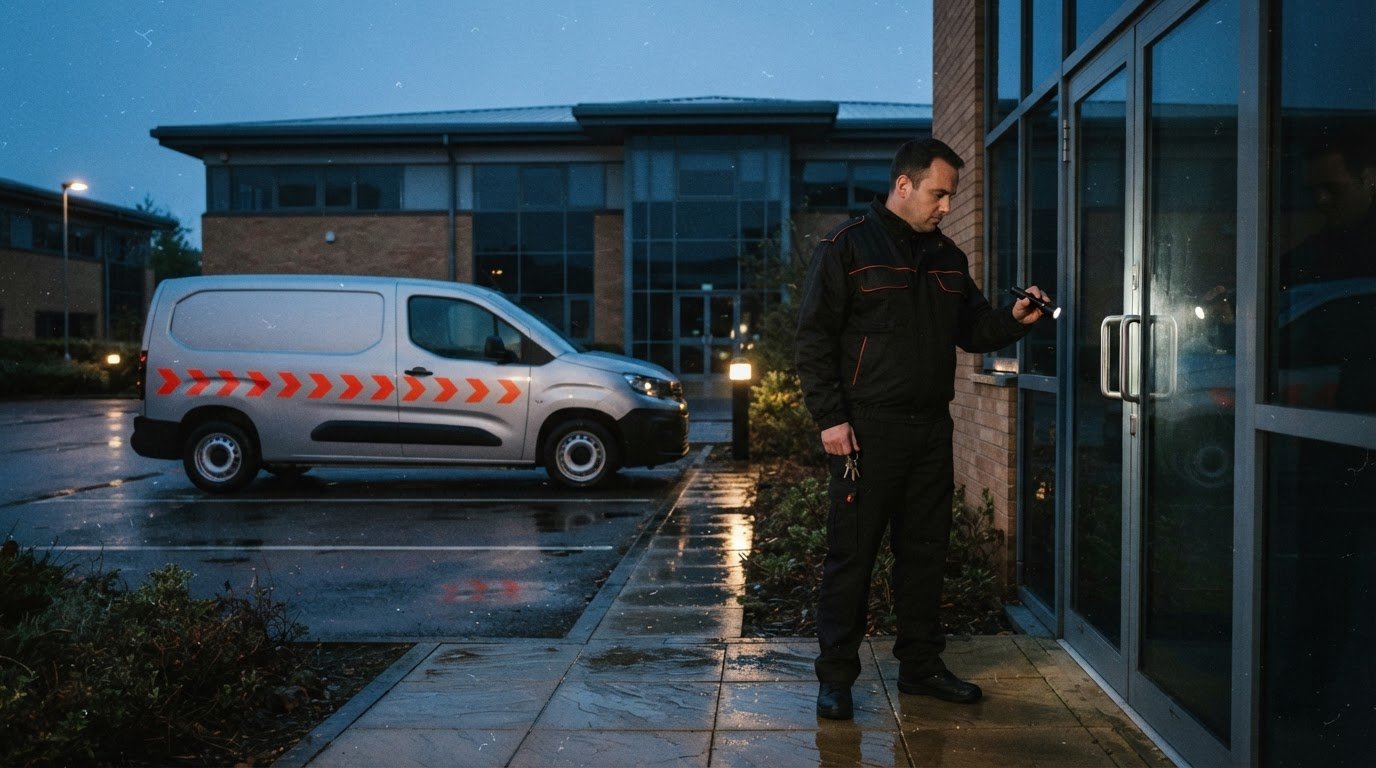
A marked vehicle makes a patrol easy to recognise, while varied timings make its arrival harder to predict. This can help maintain a visible security presence around delivery areas, entrances and quieter parts of an estate. Patrols may follow regular or random schedules, shaped by site layout and risk. Vehicle readiness and clear livery matter: a vehicle that is visibly part of a patrol can signal active attention.
In the UK, private security patrols should operate within applicable law and relevant SIA licensing requirements. Security officers should follow site procedures, communicate concerns clearly and escalate incidents to the appropriate authorities when needed. Their role is distinct from the police, and wearing a uniform does not give an officer police powers.
Measuring Patrol Impact Over Time
Assessing impact means reviewing patrol records and incident patterns over time. Organisations can consider reported theft, vandalism and suspicious activity, including where incidents occur, alongside patrol coverage. Any change in reports needs context: more detections may reflect better observation rather than increased offending. Comparing patterns before and after changes to coverage can help refine the approach.
There is no single duration for deterrence. Its effect depends on local risks, continuity and whether patrol patterns remain visible without becoming easy to predict. Regular reviews help organisations adjust coverage when site activity or vulnerabilities change.
To discuss how a visible patrol presence could suit your premises, contact Q-Winn Security.
Security presence in public-facing environments
In Bracknell shops, shared workplaces and customer-facing premises, security staff can influence how people use entrances, forecourts and communal areas. The value of their presence depends on where they are positioned and what they can observe.
Visible Presence as a Deterrent
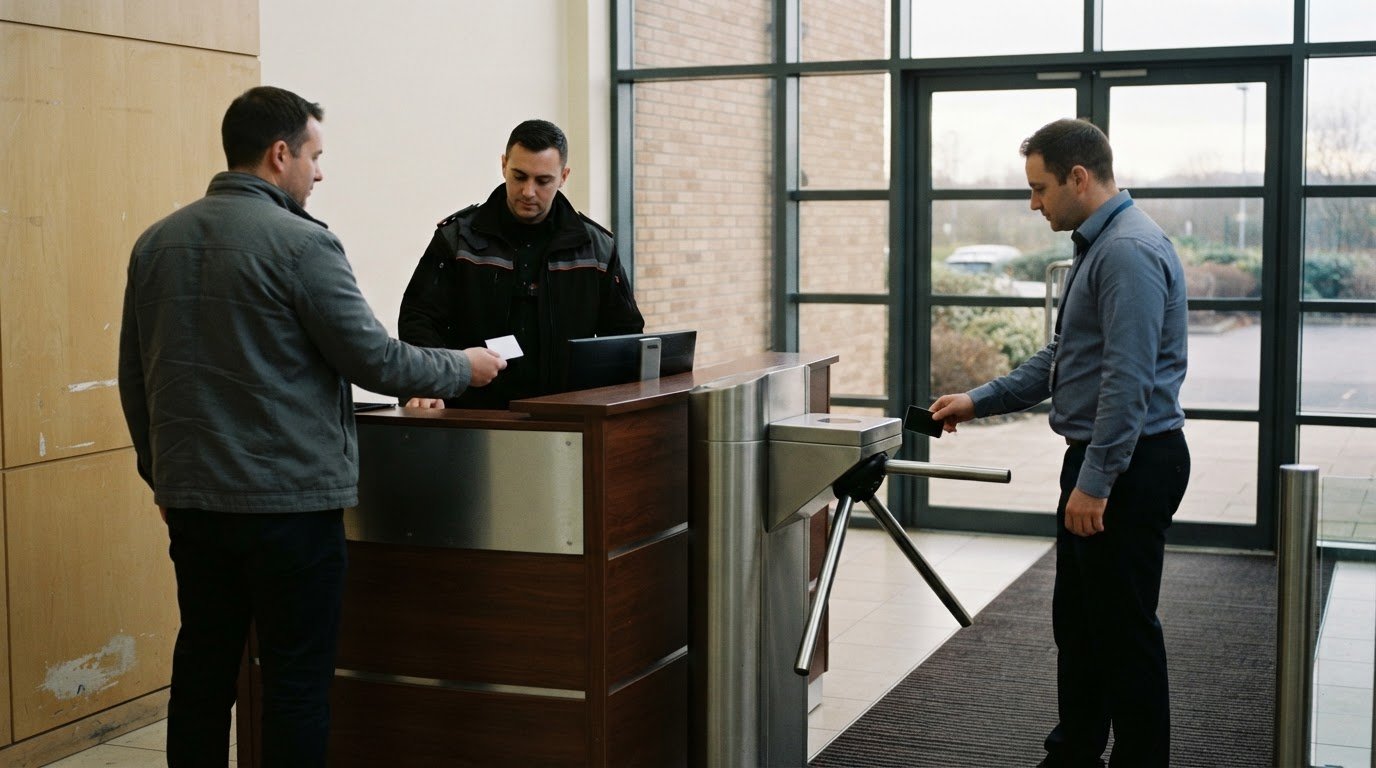
Visible security means personnel monitoring an area are easy to see. In a shop, for example, a guard near the entrance can discourage loitering or prompt someone to reconsider tampering with displays. An identifiable person also gives staff and visitors a clear point of contact for reporting suspicious behaviour. Observation and reporting help the site team understand what is happening and support an appropriate response.
At a public-facing business in Bracknell, positioning matters. An officer stationed near the customer entrance may reassure visitors, while a patrol through a poorly observed side access can draw attention to another vulnerability. Security personnel can monitor activity and report concerns, but their presence should suit the premises and its daily use.
Patrol Visibility and Frequency
Visibility describes how easily people can see a patrol; frequency describes how often it returns to an area. A clearly visible presence can signal active oversight, while overly predictable timing may create gaps someone could exploit. At a retail site, coverage might be adjusted around deliveries, opening routines or quieter periods, based on observed activity.
Reviewing incident reports alongside patrol records helps an organisation assess whether coverage remains useful. If concerns recur near a particular entrance, the site can reconsider where and when patrols pass. This local review is more useful than assuming the same schedule suits every Bracknell premises.
Arrange visible patrol cover for public-facing areas where people and property need active attention.
Q-Winn Security: Mobile Patrol
Q-Winn Security provides Mobile Patrol for sites where a visible, mobile security presence can support day-to-day protection. It can suit commercial premises, car parks and estates where access points or activity across the grounds need attention. Patrols provide a human presence alongside existing security measures, helping identify concerns that cameras cannot address in person.
Q-Winn Security also offers Key Holding & Alarm Response, Lock-Up & Unlock Services, and Static / Manned Guarding. The right service depends on the site, its operating routine and the areas that need oversight. Mobile Patrol can be a useful fit where security needs to cover different locations across a property.
Contact Q-Winn Security to discuss Mobile Patrol for your site.
Build a Security Presence Around Your Site
Make your next decision specific to the people, property and routines on your site. Identify the entrances, public areas and operating periods where a visible presence could make the greatest practical difference. The deterrent effect of visible security patrols depends on how well that presence fits the environment, not on visibility alone.
Consider how patrols would fit alongside your existing arrangements and what should happen if an officer identifies a concern. A clear, proportionate plan gives your team a stronger basis for protecting staff, visitors and property while keeping daily operations in view.
Q-Winn Security can discuss the security needs of your premises and the appropriate next step. Contact Q-Winn Security to start a conversation and move towards a more considered approach to site security.
Frequently Asked Questions
Can visible security presence be combined with technology to enhance deterrence?
Yes. Visible officers can complement cameras and access systems by providing observation and an in-person response. A camera may help identify activity near a service entrance, for example, while an officer can check the area and report what they find. Measures work best when site procedures clarify who receives alerts and how concerns are escalated.
Does visible security actually reduce crime, or just move it elsewhere?
It can discourage some opportunistic offences, but outcomes depend on the location and type of risk. Systematic reviews of focused police activity in high-crime places generally found no displacement, with benefits sometimes extending to nearby areas. That evidence concerns police activity, so it should not be treated as a guaranteed result for private patrols. Reviewing incidents across neighbouring areas gives a fuller picture.
How does security presence psychology work against organised crime?
Visible security can increase the perceived chance that activity will be noticed, but organised groups may plan around predictable routines. A guard’s presence is one part of protection, not a stand-alone answer to complex offending. For example, a business can combine staff reporting procedures with clear escalation routes so unusual access attempts or repeated surveillance receive prompt attention.
How does visible security presence influence criminal behaviour?
Visible security can lead someone seeking an easy opportunity to abandon an attempt, change location or delay acting. A uniformed officer near a public entrance, for instance, may make casual theft feel less straightforward. Security staff can also provide employees and visitors with a visible point of contact, helping them report concerning behaviour early rather than ignore it.
How does visible security presence work in commercial environments?
In commercial settings, security staff can provide an identifiable presence around entrances, shared areas and delivery points. Their role may include observing activity, responding to concerns and directing visitors in line with site procedures. At a business park, for example, staff can report an unfamiliar vehicle repeatedly circling a loading area, giving the site team information to assess and act on.
Frequently Asked Questions
Yes. Visible officers can complement cameras and access systems by providing observation and an in-person response. A camera may help identify activity near a service entrance, for example, while an officer can check the area and report what they find. Measures work best when site procedures clarify who receives alerts and how concerns are escalated.
It can discourage some opportunistic offences, but outcomes depend on the location and type of risk. Systematic reviews of focused police activity in high-crime places generally found no displacement, with benefits sometimes extending to nearby areas. That evidence concerns police activity, so it should not be treated as a guaranteed result for private patrols. Reviewing incidents across neighbouring areas gives a fuller picture.
Visible security can increase the perceived chance that activity will be noticed, but organised groups may plan around predictable routines. A guard’s presence is one part of protection, not a stand-alone answer to complex offending. For example, a business can combine staff reporting procedures with clear escalation routes so unusual access attempts or repeated surveillance receive prompt attention.
Visible security can lead someone seeking an easy opportunity to abandon an attempt, change location or delay acting. A uniformed officer near a public entrance, for instance, may make casual theft feel less straightforward. Security staff can also provide employees and visitors with a visible point of contact, helping them report concerning behaviour early rather than ignore it.
In commercial settings, security staff can provide an identifiable presence around entrances, shared areas and delivery points. Their role may include observing activity, responding to concerns and directing visitors in line with site procedures. At a business park, for example, staff can report an unfamiliar vehicle repeatedly circling a loading area, giving the site team information to assess and act on.