Business security to reduce insurance premiums with CCTV
Security upgrades can do more than deter intruders: a considered plan for business security to reduce insurance premiums may qualify for reductions of 5% to 20%, depending on the extent and quality of the measures. Insurers generally base premiums on assessed risks such as theft, vandalism and property damage. The right combination of safeguards depends on the risks at your premises.
It’s natural to look for ways to manage insurance costs without compromising protection. This guide explains how stronger locks, controlled access, CCTV, alarms and professional monitoring may influence risk, and why security lighting and CCTV analytics can matter. You’ll also learn how to present risk-reduction measures at renewal, helping you make informed decisions about protecting your business and its insurance cover.
Key Takeaways
- Review exterior doors, locks and access controls to address weak entry points and restrict access to sensitive areas.
- Position CCTV to cover vulnerable areas, keep cameras maintained and use clear footage to support incident records.
- Consider how professional alarm monitoring could strengthen incident response and provide useful logs and reports.
- Improve lighting around entrances and other exposed areas to deter trespassing and help CCTV analytics work more effectively.
1. Improving security with locks, CCTV cameras and alarms
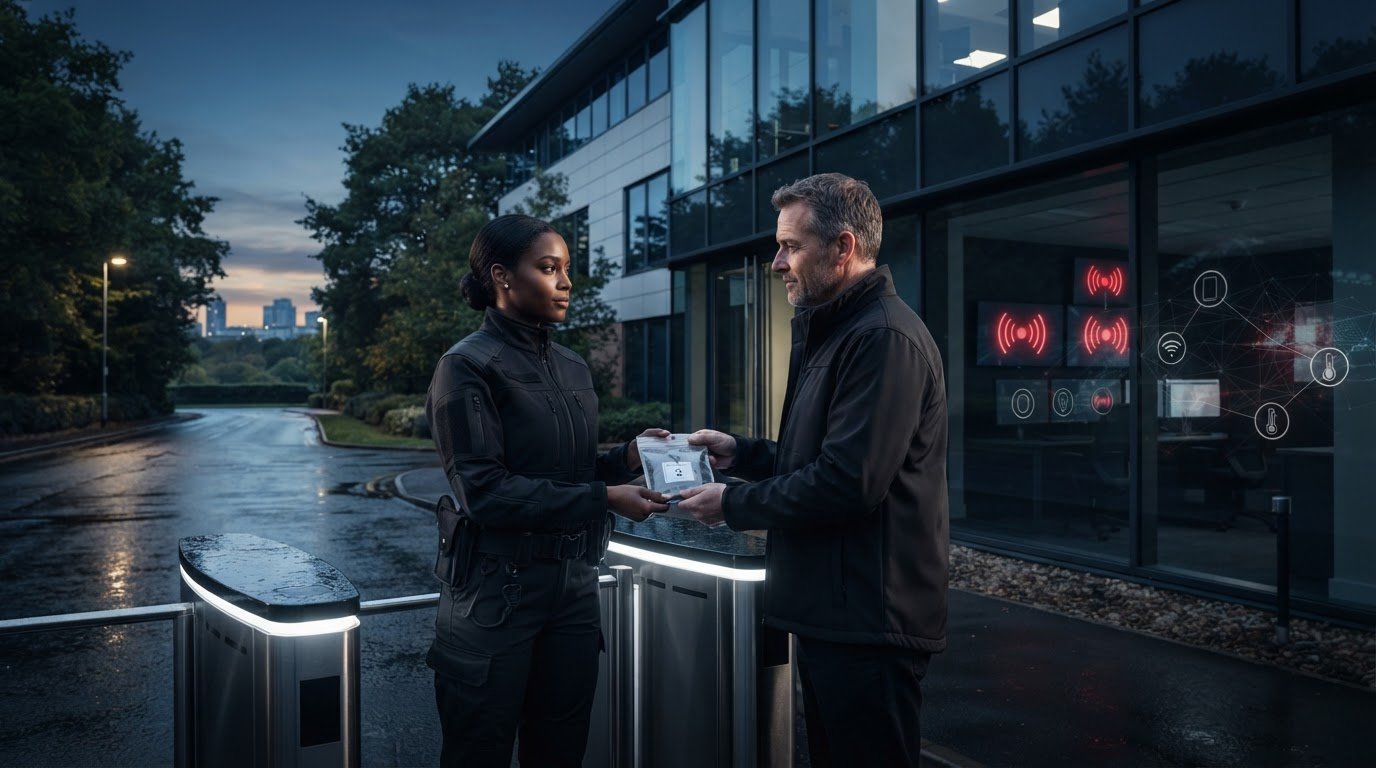
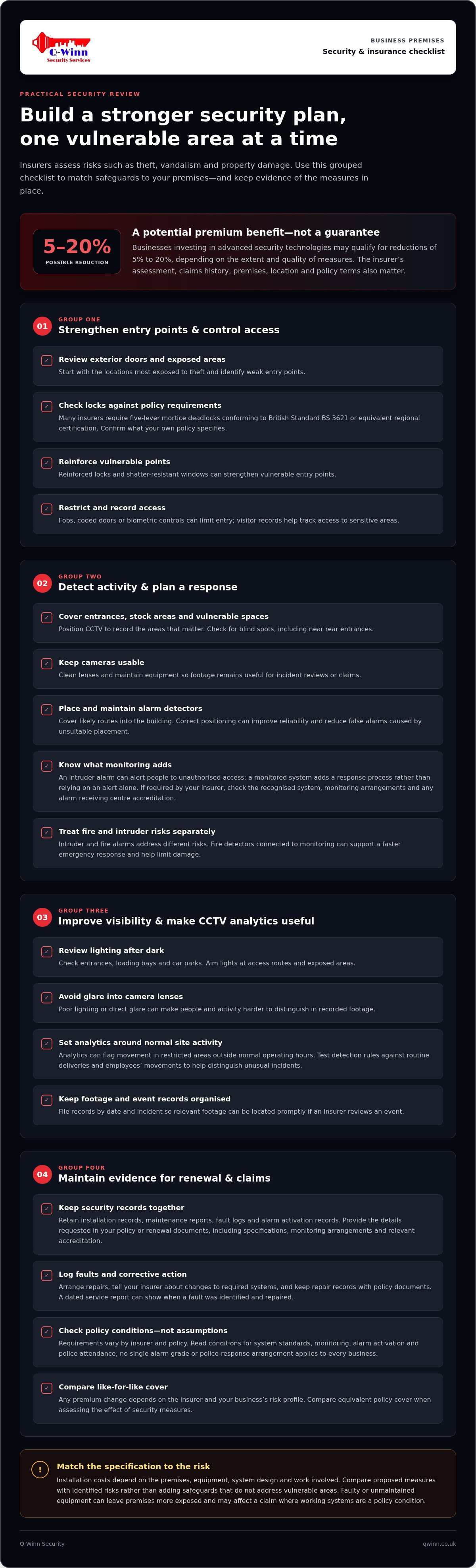
Start with exterior doors and the areas most exposed to theft. Many insurers require five-lever mortice deadlocks conforming to British Standard BS 3621 or equivalent regional certification. Reinforced locks and shatter-resistant windows can strengthen vulnerable entry points. Fobs, coded doors or biometric access controls can restrict who enters, whilst visitor records help track access to sensitive areas.
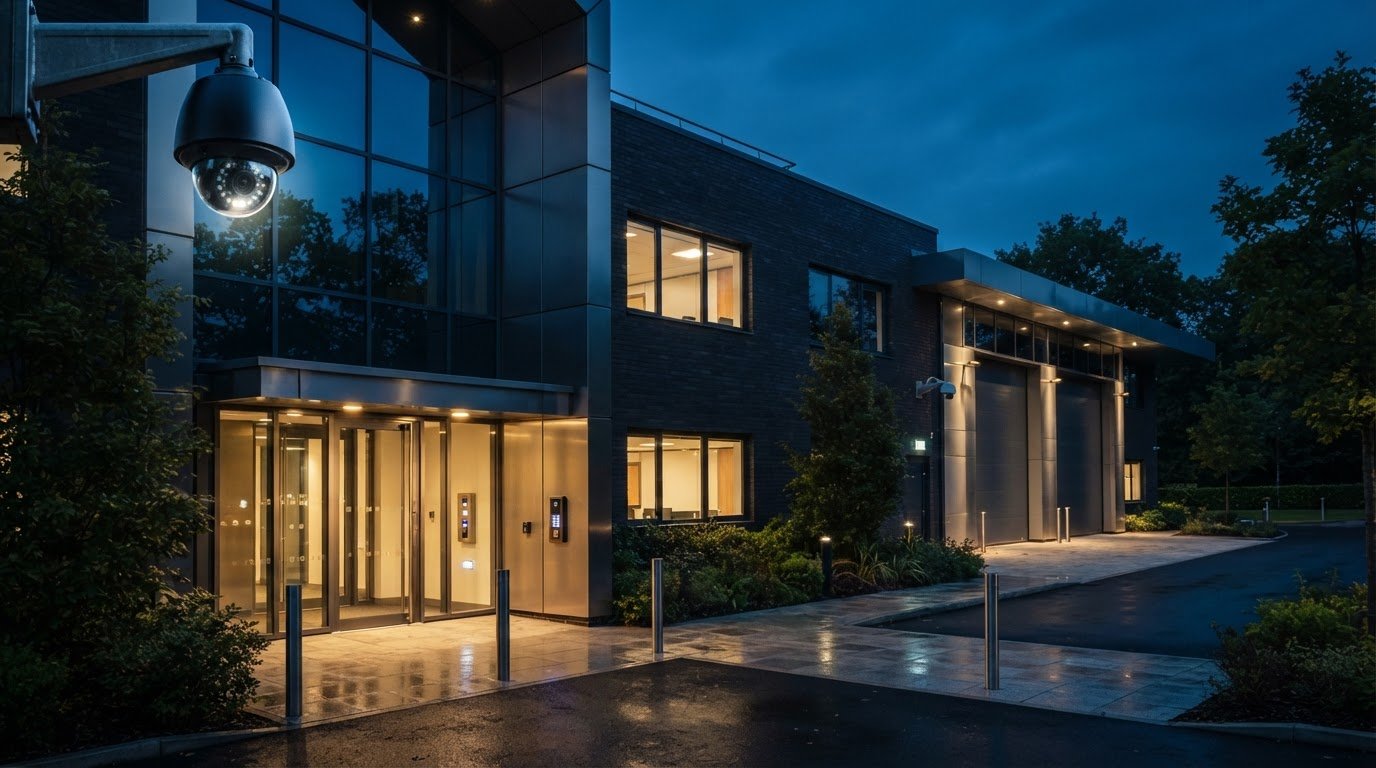
Position CCTV cameras to cover entrances, stock areas and other vulnerable spaces. Keep lenses clean and maintain equipment so footage remains useful when reviewing an incident or making a claim. Cameras may deter theft and help document incidents, but coverage matters: a blind spot near a rear entrance can leave an important part of the premises unrecorded.
For intrusion detection, position alarm detectors to cover likely routes into the building, then maintain the equipment and replace outdated components. Correct placement can improve reliability and help reduce false alarms caused by unsuitable positioning. Intruder alarms can alert people to unauthorised access; monitored systems add a response process instead of relying on an alert alone.
If an insurer requires professional monitoring, the alarm receiving centre may need to meet recognised industry standards and hold relevant accreditation. Confirm which system and monitoring arrangements your policy recognises. Intruder and fire alarms address different risks. Fire detectors connected to monitoring can support a faster emergency response and help limit damage.
Installation costs in the UK depend on the premises, equipment, system design and work involved. Compare any proposed specification with the risks identified, rather than adding measures that do not address vulnerable areas. The effect of security measures on your insurance premium depends on the insurer and your business’s risk profile.
2. How professional monitoring may affect insurance premiums
Any premium reduction will depend on the business’s circumstances and the insurer’s assessment. Businesses investing in advanced security technologies may qualify for reductions of 5% to 20%, depending on the extent and quality of their measures. Insurers also consider claims history, premises, location and policy terms, so compare like-for-like cover when assessing any change.
What security standards do UK insurers require for business premises, such as alarm grading and police response?
Requirements vary by insurer and policy; no single alarm grade or police-response arrangement applies to every business. A policy may specify system standards, monitoring or an accredited alarm receiving centre. Read the security conditions carefully, including requirements for alarm activation and police attendance, before relying on a system as part of your cover.
What security information and certificates should a business provide to its insurer?
Provide the details requested in your policy or renewal documents, including alarm specifications, monitoring arrangements and relevant accreditation. Keep installation records, maintenance reports, fault logs and alarm activation records together. For example, a dated service report can show that a system fault was identified and repaired, helping document the security measures in place.
What risks or policy exclusions apply if a business fails to maintain its security systems?
Unmaintained or faulty equipment can leave premises more exposed and may affect a claim if working security systems are a policy condition. Business security to reduce insurance premiums must remain effective in practice. Log faults, arrange repairs and tell your insurer about changes to required systems. Keep repair records with your policy documents to help explain any interruption.
3. Security lighting and CCTV analytics
Good security lighting can reduce trespassing and improve CCTV analytics accuracy. Start by reviewing entrances, loading bays and car parks after dark. Aim lights at access routes and exposed areas, rather than allowing glare to shine directly into camera lenses. For example, poor lighting at a delivery entrance can make people or activity harder to distinguish in recorded footage.
CCTV analytics can help identify events that need attention, such as movement in a restricted area outside normal operating hours. Good lighting supports clearer images, making it easier to interpret an alert and decide what action to take. Set detection rules around normal site activity, so routine deliveries or employees’ movements are less likely to distract from unusual incidents.
Visible cameras may deter would-be thieves, while recordings can provide evidence after theft, vandalism or property damage. Footage can help insurers assess what happened and support a claim. Organise records by date and incident, and make sure relevant footage can be located promptly when an insurer reviews the event.
Use a simple review process: inspect lighting coverage at vulnerable approaches, test analytics against normal activity, then record faults and corrective action. Include each system’s purpose and upkeep in written security policies. At renewal, these records can help demonstrate how your organisation manages risks. Clear footage, useful event records and consistent follow-up give insurers practical evidence to consider alongside other security measures.
Q-Winn Security: Key Holding & Alarm Response
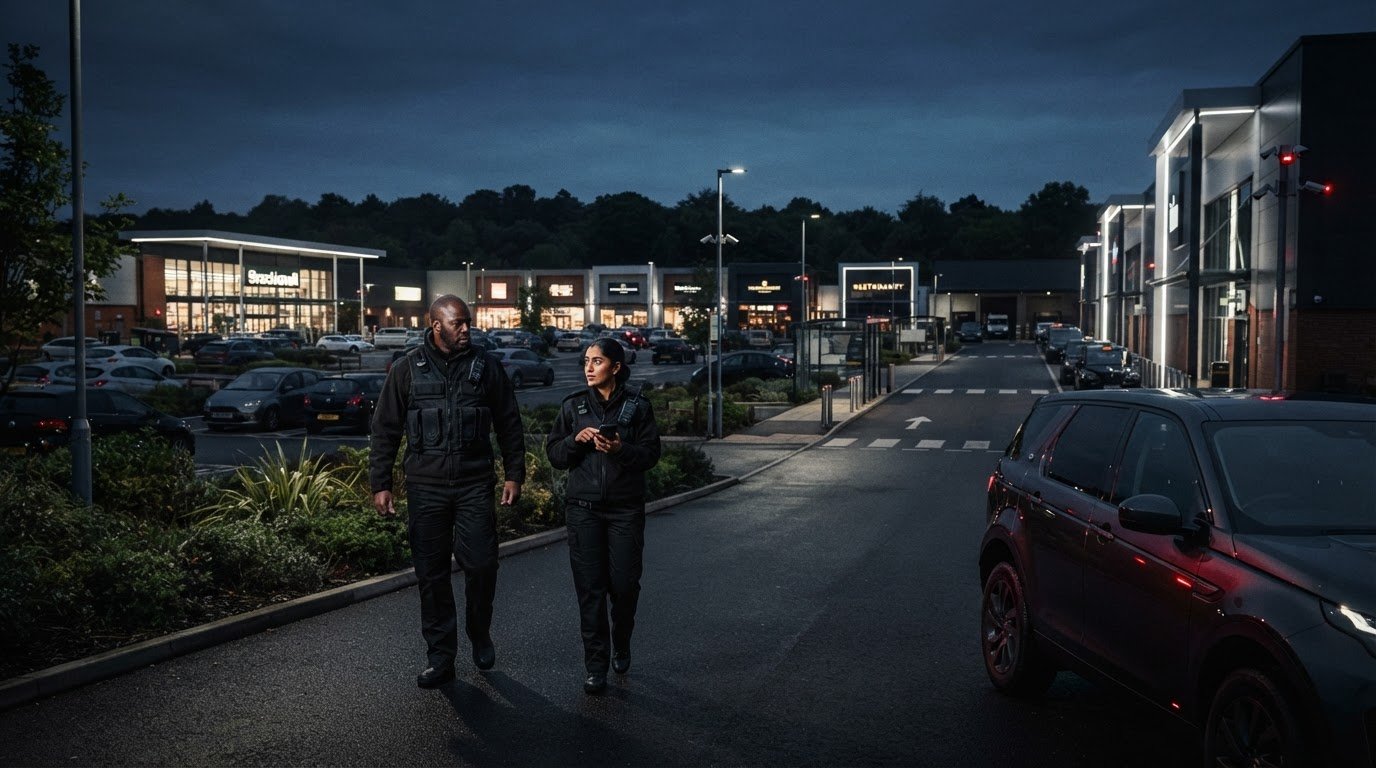
Q-Winn Security provides Key Holding & Alarm Response for businesses that need a practical response arrangement alongside their premises’ security measures. If an alarm activates while staff aren’t on site, key holding can support access for a response without relying on an employee to attend. This can complement monitored alarms, CCTV and secure entry procedures while keeping responsibilities clear.
For wider on-site support, Q-Winn Security also provides Mobile Patrol, Lock-Up & Unlock Services and Static / Manned Guarding. These options support different operational needs, from securing premises at opening and closing times to maintaining a security presence on site. Choose an arrangement that fits your property and procedures, then share relevant security changes with your insurer.
Contact Q-Winn Security to discuss your business security requirements.
Make your next security decision count
Turn your findings into a practical plan: identify the most exposed parts of your premises, prioritise improvements and assign responsibility for maintaining them. Business security to reduce insurance premiums also means documenting changes clearly, so you can explain the measures in place when discussing renewal. Any effect on premiums depends on the insurer’s underwriting and your premises’ risk profile.
Where alarms need a practical response arrangement, Q-Winn Security provides Key Holding & Alarm Response. Mobile Patrol and Lock-Up & Unlock Services can also support site security routines. Choose the support that fits your premises and operating requirements, then take your updated security information into your next insurance review.
Contact Q-Winn Security for advice and take a confident next step towards a more considered security plan.
Frequently Asked Questions
How much can burglar alarms, CCTV and access control reduce business insurance premiums?
There’s no standard reduction: insurers assess the premises, claims history and security measures together. For example, a shop with controlled staff access and a monitored alarm presents a different risk from a site with an unmonitored system. Describe each measure clearly at renewal and ask your insurer how it affects the quoted premium and policy terms.
What security standards do UK insurers require for business premises, such as alarm grading and police response?
Requirements depend on the insurer and policy; there isn’t one alarm grade or police-response arrangement that applies to every business. An insurer may specify an alarm system, monitoring arrangements or an accredited alarm receiving centre. Check the policy schedule and security conditions for the exact requirements, including what happens if an alarm activates and police attendance is required.
What security information and certificates should a business provide to its insurer?
Provide the information requested in your policy or renewal documents, such as alarm specifications, monitoring arrangements and evidence of relevant accreditation. Keep installation and maintenance records, inspection dates, fault reports and alarm activation logs together. For example, a dated service record can help show that a system was maintained after a fault, rather than left out of action.
What risks or policy exclusions apply if a business fails to maintain its security systems?
A fault or missed maintenance can leave a site less protected and may affect a claim if the policy makes working security equipment a condition of cover. The outcome depends on the policy wording and circumstances. Record faults promptly, arrange repairs and tell your insurer if a required system is unavailable or has changed. Keep invoices and repair reports with policy documents.
How often should businesses review security measures and notify their insurer of changes?
Review and report security changes at renewal, and tell your insurer about changes to required systems. The article provides no other review frequency.
Frequently Asked Questions
Requirements vary by insurer and policy; no single alarm grade or police-response arrangement applies to every business. A policy may specify system standards, monitoring or an accredited alarm receiving centre. Read the security conditions carefully, including requirements for alarm activation and police attendance, before relying on a system as part of your cover.
Provide the details requested in your policy or renewal documents, including alarm specifications, monitoring arrangements and relevant accreditation. Keep installation records, maintenance reports, fault logs and alarm activation records together. For example, a dated service report can show that a system fault was identified and repaired, helping document the security measures in place.
Unmaintained or faulty equipment can leave premises more exposed and may affect a claim if working security systems are a policy condition. Business security to reduce insurance premiums must remain effective in practice. Log faults, arrange repairs and tell your insurer about changes to required systems. Keep repair records with your policy documents to help explain any interruption. Good security lighting can reduce trespassing and improve CCTV analytics accuracy. Start by reviewing entrances, loading bays and car parks after dark. Aim lights at access routes and exposed areas, rather than allowing glare to shine directly into camera lenses. For example, poor lighting at a delivery entrance can make people or activity harder to distinguish in recorded footage. CCTV analytics can help identify events that need attention, such as movement in a restricted area outside normal operating hours. Good lighting supports clearer images, making it easier to interpret an alert and decide what action to take. Set detection rules around normal site activity, so routine deliveries or employees’ movements are less likely to distract from unusual incidents. Visible cameras may deter would-be thieves, while recordings can provide evidence after theft, vandalism or property damage. Footage can help insurers assess what happened and support a claim. Organise records by date and incident, and make sure relevant footage can be located promptly when an insurer reviews the event. Use a simple review process: inspect lighting coverage at vulnerable approaches, test analytics against normal activity, then record faults and corrective action. Include each system’s purpose and upkeep in written security policies. At renewal, these records can help demonstrate how your organisation manages risks. Clear footage, useful event records and consistent follow-up give insurers practical evidence to consider alongside other security measures. Q-Winn Security provides Key Holding & Alarm Response for businesses that need a practical response arrangement alongside their premises’ security measures. If an alarm activates while staff aren’t on site, key holding can support access for a response without relying on an employee to attend. This can complement monitored alarms, CCTV and secure entry procedures while keeping responsibilities clear. For wider on-site support, Q-Winn Security also provides Mobile Patrol, Lock-Up & Unlock Services and Static / Manned Guarding. These options support different operational needs, from securing premises at opening and closing times to maintaining a security presence on site. Choose an arrangement that fits your property and procedures, then share relevant security changes with your insurer. Contact Q-Winn Security to discuss your business security requirements. Turn your findings into a practical plan: identify the most exposed parts of your premises, prioritise improvements and assign responsibility for maintaining them. Business security to reduce insurance premiums also means documenting changes clearly, so you can explain the measures in place when discussing renewal. Any effect on premiums depends on the insurer’s underwriting and your premises’ risk profile. Where alarms need a practical response arrangement, Q-Winn Security provides Key Holding & Alarm Response. Mobile Patrol and Lock-Up & Unlock Services can also support site security routines. Choose the support that fits your premises and operating requirements, then take your updated security information into your next insurance review. Contact Q-Winn Security for advice and take a confident next step towards a more considered security plan.
There’s no standard reduction: insurers assess the premises, claims history and security measures together. For example, a shop with controlled staff access and a monitored alarm presents a different risk from a site with an unmonitored system. Describe each measure clearly at renewal and ask your insurer how it affects the quoted premium and policy terms.
Requirements depend on the insurer and policy; there isn’t one alarm grade or police-response arrangement that applies to every business. An insurer may specify an alarm system, monitoring arrangements or an accredited alarm receiving centre. Check the policy schedule and security conditions for the exact requirements, including what happens if an alarm activates and police attendance is required.
Provide the information requested in your policy or renewal documents, such as alarm specifications, monitoring arrangements and evidence of relevant accreditation. Keep installation and maintenance records, inspection dates, fault reports and alarm activation logs together. For example, a dated service record can help show that a system was maintained after a fault, rather than left out of action.
A fault or missed maintenance can leave a site less protected and may affect a claim if the policy makes working security equipment a condition of cover. The outcome depends on the policy wording and circumstances. Record faults promptly, arrange repairs and tell your insurer if a required system is unavailable or has changed. Keep invoices and repair reports with policy documents.
Review and report security changes at renewal, and tell your insurer about changes to required systems. The article provides no other review frequency.